From national energy planning to industrial practice: Huawei and partners unite for an inclusive energy vision in Africa
The Huawei Northern Africa Inclusive Energy Summit 2026, held in Rabat, brought together more than 400 policymakers, institutional and industrial representatives from several African countries to discuss the challenges of energy transition, technological innovation and regional cooperation.
RABAT, Morocco, Nov. 28, 2026 /PRNewswire/ -- On November 23 and 24, Rabat hosted the Huawei Northern Africa Inclusive Energy Summit 2026, a high-level event dedicated to the prospects for developing the energy sector in Africa. The event brought together more than 400 representatives from governments, power companies, business organizations and ecosystem partners from several African countries.
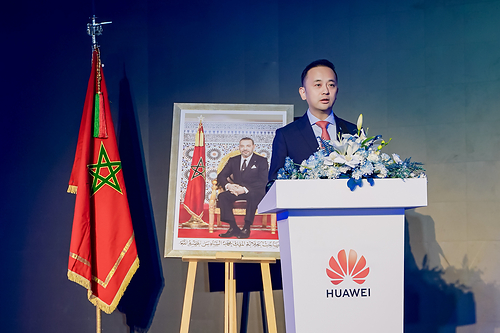
Against the backdrop of a shifting global energy landscape and the accelerating transition towards more sustainable development models, the summit provided a platform for dialogue on the opportunities and challenges facing Africa. Discussions focused on the connections between national energy strategies, technological advancements, and the needs of industrial ecosystems, with the aim of expanding access to reliable, affordable, and sustainable energy.
Strengthening Cooperation on National Energy Strategies and Accelerating the Transition to Inclusive Energy
The summit highlighted the importance of aligning national energy development policies, technological innovation, and industrial cooperation. Discussions focused on ways to strengthen energy security, expand access to electricity, and fully harness Africa's renewable energy potential to drive economic and social development.
On this occasion, Mr. Philippe Wang, President of Digital Power, Huawei Northern Africa (North, West and Central Africa), stressed: "Africa's economic growth and abundant renewable energy resources are creating new opportunities for energy transformation. Inclusive Energy is not just about electricity access, but about making clean, reliable, and affordable power available to all. By integrating digital and power electronics technologies, Huawei aims to secure, stabilize, and optimize power supply, working with governments and ecosystem partners to turn Africa's energy potential into lasting economic and social value."
For her part, Ms. Charafat Afailal, Minister of Energy, Mines and Sustainable Development of Morocco, said: "Renewable energy is a key driver of energy sovereignty and security, while supporting sustainable development goals. Modernizing energy infrastructure, mobilizing investment, and strengthening regional integration are all essential to unlocking Africa's renewable energy potential. The goal is to transform these abundant resources into reliable and accessible energy that strengthens industrial competitiveness and improves people's living conditions."
Building on these challenges, speakers also addressed inclusive energy from the point of view of its concrete impact on people and economic activities. In this context, Mr. César Augusto Hinestrosa Gómez, Vice-Minister in Charge of Electricity at the Ministry of Hydrocarbons, Mines and Electricity of Equatorial Guinea, stressed: "Energy inclusion must be measured by the opportunities electricity creates. For a health center, it means keeping vaccines safe and responding to emergencies. For a small business, it means operating without disruption. For young people, it opens doors to learning and employment. Reliable power must make a real difference in everyday life."
Finally, stressing the need for a collective approach to the energy challenges facing the continent, Mr. Moussa Koulibaly, Secretary General of the Ministry of Energy of Guinea, called for strengthening regional cooperation: "Let us turn our power interconnections into bridges between our economies, our energy resources into instruments of solidarity, and our partnerships into engines of development. Guinea is open, committed, and ready to build a new energy future with its partners."
From national strategies to practical implementation: integrated solutions for inclusive energy.
In response to the diverse energy needs of African countries, Huawei proposes a framework for digital and intelligent transformation designed to support the development of more inclusive and efficient energy systems.
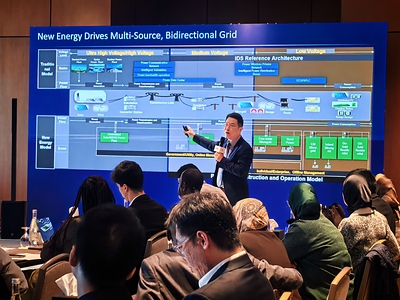
By integrating digital technologies, power electronics, and renewable energy technologies, Huawei develops end-to-end solutions across the power system. These solutions focus on three complementary pillars: securing power supply through microgrids, stabilizing power supply through coordination between distribution networks and microgrids, and optimizing the overall power system through coordinated management of the main grid, distribution networks, and microgrids.
This approach aims to support countries in implementing their national energy transition strategies by offering solutions tailored to local conditions and the needs of different economic sectors.
On the ground, these solutions bring tangible economic, operational and social benefits:
- Secure Supply: Microgrid Self-Consumption. In remote or underserved areas, community microgrids help significantly reduce energy costs and dependence on conventional diesel generation and imported energy, thereby saving foreign exchange and strengthening national energy sovereignty. Unified monitoring and management at the national level also improve operational efficiency and returns on investment. Meanwhile, microgrids serving critical areas and mining operations help ensure continuous power supply to critical infrastructure and key industrial and mining enterprises, thereby strengthening national energy security.
- Stable Supply: Distribution-Microgrid Coordination. Through the digital and intelligent modernization of distribution networks, these solutions help significantly improve power quality at the grid edge and enhance overall grid stability. They also help substantially reduce the average duration and frequency of power interruptions, measured by the System Average Interruption Duration Index (SAIDI) and the System Average Interruption Frequency Index (SAIFI), respectively, while improving end-user satisfaction. By reducing distribution line losses, these solutions further enable power utilities to lower operating costs, improve operational efficiency, and increase revenues.
- Optimized Supply: Main-Distribution-Microgrid Coordination. Through coordinated dispatch across different levels of the power system, these solutions help strengthen the stability and resilience of the main grid. They also facilitate the large-scale integration and efficient utilization of renewable energy, while supporting the diversification of national energy mixes and sustainable energy development.
Mobilizing expertise and industry partners to accelerate inclusive energy development:
From national energy strategies to on-the-ground project implementation, a successful energy transition requires collective action. Beyond technological innovation, it depends on close cooperation among governments, power utilities, financial institutions, engineering and construction companies, and local industry partners.
Against this backdrop, Huawei reaffirms its commitment to the vision of "Digital and intelligent transformation for inclusive and shared prosperity." By working with governments, power utilities, and ecosystem partners, Huawei aims to accelerate the deployment of innovative energy solutions, strengthen power infrastructure, and support clean energy development. These efforts also seek to build local industrial capabilities and foster ecosystems that create lasting value, contributing to the economic and social development of African countries.
Beyond the discussions and solutions presented, the Huawei Northern Africa Inclusive Energy Summit 2026 reaffirmed the importance of a shared vision for Africa's energy future, built on regional cooperation, innovation, and the engagement of both public and private stakeholders. By bringing together national priorities, technological expertise, and industrial capabilities, the summit helped open up new opportunities to accelerate Africa's energy transition and make access to reliable, affordable, and sustainable energy a driver of economic development, competitiveness, and shared prosperity across the continent.
About Huawei:
Founded in 1987, Huawei is a leading global provider of information and communications technology (ICT) infrastructure and smart devices. We have 207,000 employees and we operate in more than 170 countries and regions, serving more than three billion people around the world.
Our vision and mission is to bring digital to every person, home and organization for a fully connected, intelligent world. To this end, we will work towards ubiquitous connectivity and inclusive network access, laying the foundation for an intelligent world; provide diversified computing power where you need it, when you need it, to bring cloud and intelligence to all four corners of the earth; build digital platforms to help all industries and organizations become more agile, efficient, and dynamic; and redefine user experience with AI, making it smarter and more personalized for people in all aspects of their life, whether they're at home, on the go, in the office, having fun, or working out. For more information, please visit Huawei online at www.huawei.com , or follow us on:
http://www.linkedin.com/company/Huawei
http://www.twitter.com/Huawei
http://www.facebook.com/Huawei
http://www.youtube.com/Huawei


Share this article